Presentations
The Global Citizen Diploma is a global consortium of schools working to recognize what we truly value in student learning: the nurturing of their contributions as global citizens.
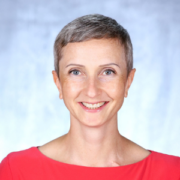
Ellen Thorne

The trend for a few years has been to change the title of a role from something like “Tech Integrator” to “Tech Coach” but how do you change your practice when working with teachers. What is the difference between the two roles? How can being a Tech Coach help begin to change the culture of tech usage in your school?
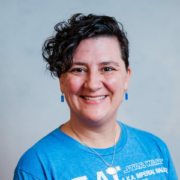
Cary Hart
At Inventure Academy, we dedicate over 15 days annually to professional development, addressing the unique needs of our faculty with varied levels of skills, capabilities and motivation levels.
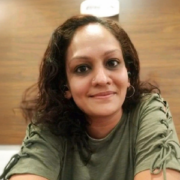
Lavanya Srinivas

Ritiwika Dwivedi
Join us to explore how to provide a linguistically responsive learning environment for our learners. Taking a comprehensive approach, we will look at both macro and micro perspectives—from school-wide initiatives to classroom practices.
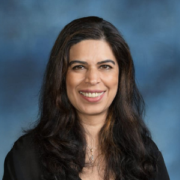
Jaya Hiranandani
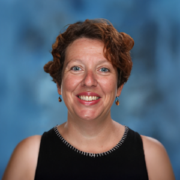
Kate Burden
The presentation “Future Ready Teaching” explores how artificial intelligence is reshaping education and what it means for teachers and learners.
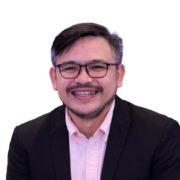
Raul Fernando Ballesteros
In this hands-on workshop, we will explore how to build up your capacity to help your learners.

Andy Lee
Whether you're a seasoned PE teacher or new to the field, this workshop will inspire you to bring more fun, engagement, and play into your physical education classes, helping students develop a lifelong passion for movement and fitness.
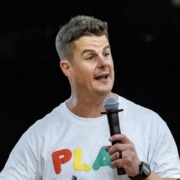
Dale Sidebottom
Sometimes teaching feels like a race. We’re chasing pre-determined curricular plans, running to finish a unit on time, frantically finishing content before a looming assessment.
Cailin Minor

Working with origami models of geometric 2D and 3D objects provides a practical starting point for exploring mathematics and a visual means of inspiring and exciting learners.
Fran
What is dyscalculia? This workshop will provide an introductory overview of the current understanding in both theory and practice of supporting individuals with Dyscalculia and Maths Learning Difficulties.
larissachan
Organizer
Co-Located Event